How Safety Equipment Supports Workplace Protection and Compliance
Key Takeaways
- Safety equipment for workplace protection reduces risk and supports daily operations.
- Proper equipment improves worker confidence and productivity.
- Compliance becomes easier when safety practices are structured.
- Selecting the right equipment depends on actual workplace hazards.
- A trusted safety equipment dealer in Mumbai helps avoid mismatched solutions.
Workplace accidents rarely happen because of one major failure. More often, they result from small gaps—missing protective gear, improper handling, or overlooked safety practices. In industrial environments, these gaps can lead to serious injuries, downtime, and compliance issues that affect the entire operation.
This is where Safety Equipment for Workplace Protection plays a critical role. It goes beyond simply checking the boxes for compliance. It’s about creating a working environment where risks are controlled, and people can perform their tasks with confidence. For businesses evaluating safety solutions or looking for a reliable Safety Equipment Dealer in Mumbai, understanding how safety equipment contributes to both protection and regulatory compliance is essential. This blog breaks that down with practical clarity, so you can make informed decisions rather than reactive ones.
What Are Power Tools and Why They’re a Big Deal in Industrial Work
What Is Safety Equipment and Why It Matters in Industry
Safety equipment refers to protective gear and systems designed to reduce the risk of injury in the workplace. In industrial settings, this includes everything from helmets and gloves to respiratory protection and fall safety systems.
But the importance goes beyond protection alone. Safety equipment supports operational stability. When workers feel protected, they tend to work more efficiently and with fewer interruptions. On the other hand, lack of proper equipment can slow down work, increase hesitation, and lead to avoidable incidents.
In many industries, safety is also closely tied to compliance. Regulations require businesses to provide appropriate protective measures, and failure to do so can result in penalties or operational restrictions.
How Safety Equipment Supports Workplace Protection
Reducing Exposure to Hazards
Every industrial environment has its own set of risks—sharp materials, heavy machinery, high temperatures, or airborne particles. Safety Equipment for Workplace Protection acts as the first line of defence against these hazards.
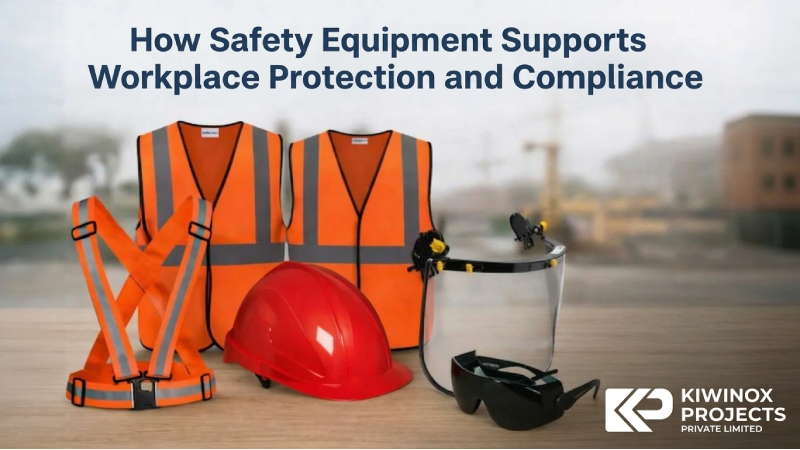
- Helmets reduce the impact of falling objects
- Gloves protect against cuts, abrasions, and chemicals
- Safety goggles shield eyes from dust and sparks
- Respiratory masks help in environments with fumes or fine particles
These are not optional add-ons. They directly reduce the chances of injury during routine operations.
Improving Worker Confidence and Focus
When workers feel exposed, they tend to slow down or second-guess their actions. This hesitation affects productivity and increases the likelihood of mistakes.
Proper safety equipment changes that dynamic. Workers can focus on the task rather than the risk.This eventually results in more efficient workflows and improved output consistency.
In real-world terms, a worker using proper hand protection while handling metal components is less likely to pause frequently or work cautiously to the point of inefficiency.
Preventing Minor Incidents from Becoming Major Issues
Not every workplace incident is severe, but even minor injuries can disrupt operations. A small cut or eye irritation may seem manageable, but repeated incidents lead to lost time and reduced workforce availability.
By using Safety Equipment for Workplace Protection, many of these small issues can be avoided altogether. This keeps operations running without unnecessary interruptions.
Role of Safety Equipment in Compliance
Compliance is often viewed as a regulatory burden, but in reality, it reflects structured safety practices. Safety equipment plays a direct role in meeting these requirements.
Meeting Industry Safety Standards
Most industries have guidelines related to protective gear. These may vary depending on the nature of work, but the expetion remains the same workers must be protected from known risks.
Using appropriate safety equipment helps align daily operations with these expetions. It also simplifies inspections and audits, as visible safety measures reflect organised practices.
Supporting Documentation and Safety Protocols
Safety compliance is not just about having equipment—it’s about how it is used and maintained.
- Workers need to be trained on proper usage
- Equipment must be available in the right sizes and types
- Regular checks are required to confirm usability
When these aspects are handled properly, safety equipment becomes part of a broader compliance framework rather than an isolated requirement.
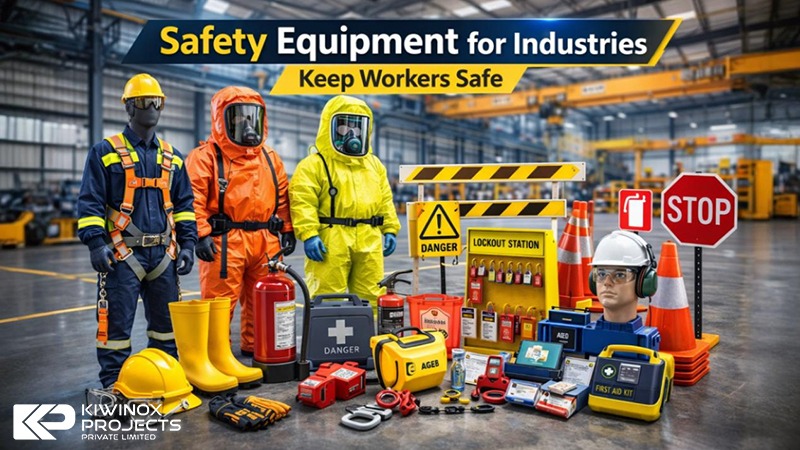
Types of Safety Equipment Used in Industrial Workplaces
Different environments require different types of protection. Among the often-utilized categories are:
- Head protection such as helmets and hard hats
- Hand protection including gloves for various applications
- Eye and face protection like safety goggles and shields
- Respiratory protection for dust, fumes, and chemicals
- Foot protection such as safety shoes
- Fall protection equipment for working at height
The key is not just availability, but suitability. Using the wrong type of equipment can create a false sense of safety without actually reducing risk.
How to Select the Right Safety Equipment for Your Workplace
Choosing safety equipment should be a structured process rather than a quick purchase decision.
1. Identify Workplace Hazards
Start by understanding the specific risks in your environment. This could include mechanical hazards, chemical exposure, or working at height.
2. Match Equipment to Risk
Each hazard requires a different type of protection. Gloves used for handling sharp materials will differ from those used for chemical work.
3. Consider Comfort and Usability
If equipment is uncomfortable, workers may avoid using it consistently. Proper fit and ease of use are important for real-world adoption.
4. Train Workers on Usage
When used improperly, even the best equipment is useless. Basic training can significantly improve its effectiveness.
5. Source from a Reliable Supplier
Working with an experienced Safety Equipment Dealer in Mumbai helps in selecting equipment that fits your actual requirements, rather than relying on generic options.
This approach reduces guesswork and leads to better safety outcomes over time.
Practical Example: Safety Equipment in Action
Take for instance a maintenance team working in a big industrial plant. You see, without proper eye protection the minute a spark comes flying off a grinder – even a small one – it can easily cause some nasty injuries. Same goes with gloves – no gloves and a few cuts while handling parts is almost guaranteed.
But – introduce some decent Safety Equipment for Workplace Situations when it’s needed, and suddenly the risks all but disappear. The workers still do the same job, but with a lot less hassle and not as much chance of getting hurt.
The difference may not be overnight, but over the course of weeks and months it really starts to add up to safer working conditions and a much more stable output.
Why Supplier Choice Matters
Safety equipment isn’t something you buy and then forget about – requirements change, usage varies and different jobs need different levels of protection.
A supplier that actually knows what they’re talking about will help you navigate all those changes – rather than just selling you products, they give you, well, context – what actually works for your sort of job and what just won’t cut it.
Choosing the right Safety Equipment Dealer in Mumbai can simplify things no end and help you avoid getting mismatched or ineffective equipment.
Why Choose Us
At Kiwinox Projects Pvt. Ltd., our approach to safety equipment is all about practicality and not just following the rules. We’re really interested in figuring out what your workplace actually needs based on what you do and how you do it. It’s not about selling you one-size-fits-all solutions – our aim is to work out what equipment you actually need and what will fit your working environment and help you stay safe and compliant. With a carefully curated range and a really good understanding of what actually works in industry, the support we give is all about real world usage and not just some product manual. So you get a match between what you really need and what you’re buying in.
Conclusion
Safety equipment does more than just tick the boxes when it comes to compliance. It has a real impact on how safely and efficiently the work gets done on a daily basis. By reducing the chance of accidents, giving people more confidence and stopping preventable mishaps, it really helps with operational stability and workforce well-being. At the same time, it helps businesses stay with the rules without adding any extra hassle. The key is to pick the right equipment for the right job and use it consistently. And if you approach it with a bit of thought, safety equipment becomes second nature and not just something you do because you have to. That way, over time, you get a safer workplace, smoother production lines and a lot fewer disruptions.ally. In the end, strong welds build strong businesses – and that starts with the right gear and the right partner.
Upgrade your workplace safety with the right equipment. Call +91 8239655961 or email kiwinoxprojects@gmail.com for expert guidance on Safety Equipment for Workplace Protection.
FAQs
Why is safety equipment important in industrial workplaces?
It reduces the risk of injury and helps maintain smooth operations by protecting workers from common hazards.
How can I pick the appropriate safety gear?
Start by identifying workplace risks and then select equipment designed to handle those specific hazards.
Is safety equipment mandatory for compliance?
In most industries, providing appropriate safety gear is part of regulatory requirements and workplace standards.
How often should safety equipment be replaced?
It depends on usage and condition. Regular checks help determine when replacement is needed.
Why work with a Safety Equipment Dealer in Mumbai?
A local dealer can provide better guidance, relevant product options, and support based on industrial needs.