Industrial Safety Equipment: Essential Solutions for Workplace Safety
A workplace can look perfectly calm from the outside — machines humming, teams moving with purpose, operations flowing right on schedule. But it only takes one overlooked hazard or missed precaution for that calm to disappear. And when things go wrong in industrial environments, the consequences are rarely minor. They’re human.
That’s exactly why Industrial Safety Equipment has moved from being a nice-to-have to an absolute operational necessity. It isn’t just another line item in procurement. It’s the foundation of responsible, forward-thinking industrial management.
Why Industrial Safety Equipment Is No Longer Optional
Modern industry moves fast — sometimes uncomfortably fast. Heavy machinery, high-voltage systems, chemical exposure, tight production targets… the pressure is constant. And with speed comes risk. What begins as a small, manageable hazard can escalate quickly if proper safeguards aren’t in place.
Industrial Safety Equipment exists to reduce the likelihood and severity of accidents caused by physical, chemical, electrical, and environmental dangers. Today, safety is no longer reactive. It’s proactive. Organisations that treat protection as an afterthought often learn the hard way. Those that invest early tend to operate more smoothly, with fewer disruptions and stronger workforce confidence.
Understanding Industrial Safety Equipment
At its core, industrial safety equipment includes a wide range of tools, wearables, and engineered systems designed to protect both workers and facilities. These solutions work across every stage of an operation — before work begins, during active tasks, and even after an incident.
Protection typically happens in two ways. Some equipment shields the individual worker directly, while other systems safeguard the broader working environment. Both layers matter. Remove either one, or the risk profile of the operation shifts immediately.
Core Categories of Industrial Safety Equipment
- Personal Protective Equipment (PPE)
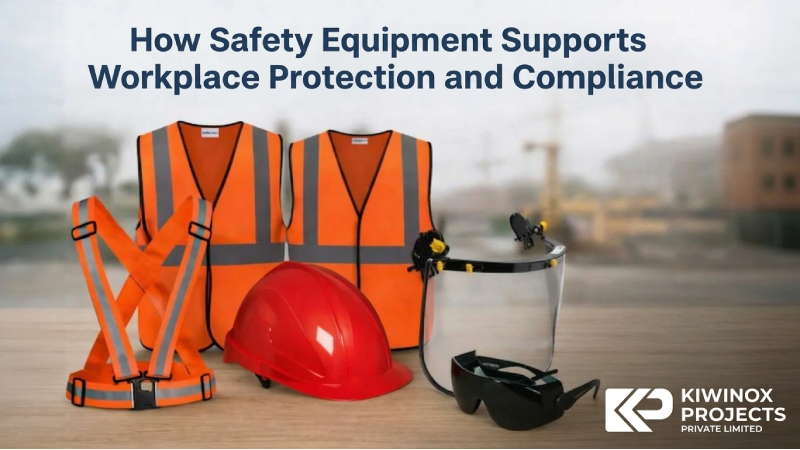
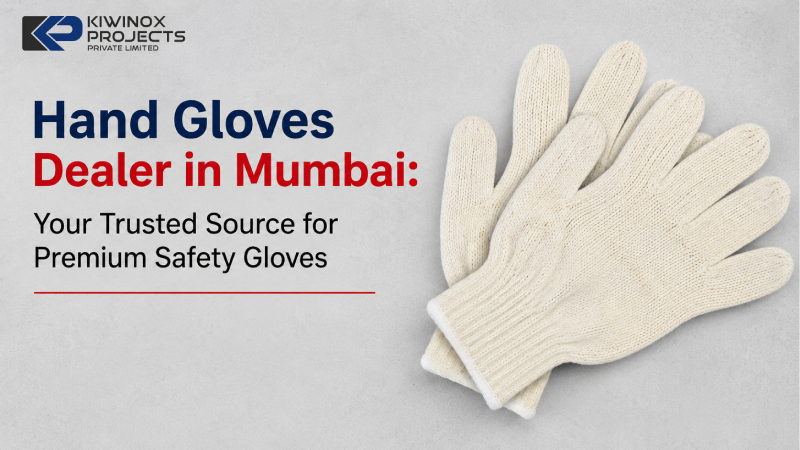
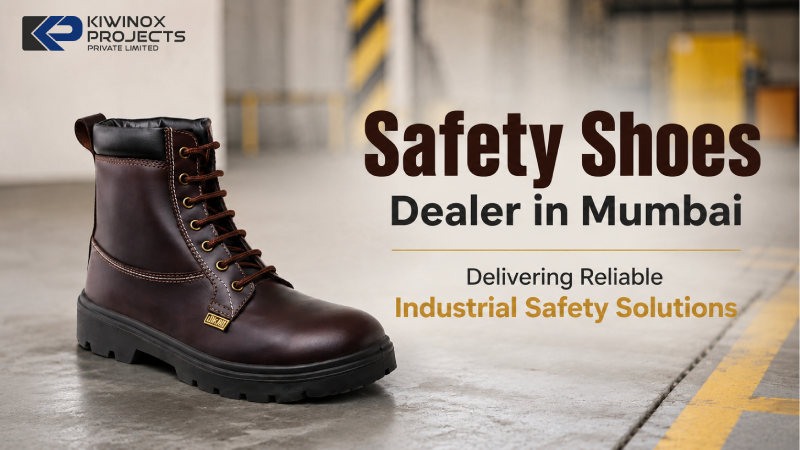
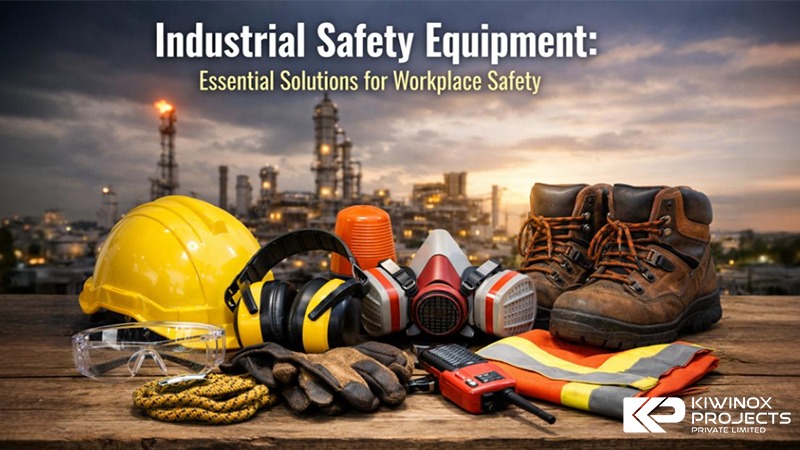
PPE is the frontline of workplace safety. It forms the immediate barrier between workers and potential hazards. Safety helmets protect against falling objects and head impacts. Industrial gloves reduce the risk of cuts, abrasions, and handling injuries. Safety shoes guard against crushing, slipping, and sharp penetrations.
Eye and face protection shields workers from dust, sparks, and chemical splashes, while respiratory protection becomes essential in environments with fumes, dust, or vapours. Still, PPE is never one-size-fits-all. Proper selection depends heavily on task type, exposure level, and working conditions. The right gear should protect without restricting movement or productivity — that balance matters more than most people realise.
- Fall Protection Equipment
Working at height carries serious and immediate risk. Fall protection systems are designed to control that exposure before it turns dangerous. Safety harnesses, lifelines, and lanyards provide critical support during elevated work across construction sites, maintenance activities, and industrial installations. Effectiveness, however, depends heavily on correct fitting and disciplined usage. Even high-quality equipment can fail its purpose if used incorrectly.
- Fire Safety Equipment
Fire risk exists in nearly every industrial environment. Electrical systems, flammable materials, and heat-generating processes all increase exposure. Fire extinguishers, fire blankets, and clearly visible emergency signage enable quick response when seconds matter. In many cases, accessibility and visibility determine whether fire equipment actually performs its role during an emergency.
- Lockout–Tagout Devices
Unexpected machine startup remains one of the most serious maintenance hazards. Lockout–tagout devices isolate energy sources during servicing and repair work. These systems control electrical, mechanical, hydraulic, and pneumatic energy points, ensuring equipment cannot restart unexpectedly. It’s a simple control process — but the safety impact is enormous.
- Safety Signage and Accessories
Safety signage communicates risk instantly. Warning notices, mandatory instructions, and emergency exit signs guide behaviour without requiring verbal instruction. They support compliance, improve situational awareness, and help maintain organised work environments. Often overlooked. Quietly critical.
How Industrial Safety Equipment Supports Compliance
Workplace safety standards exist for a reason — to protect people and maintain operational continuity. Properly selected safety equipment helps organisations align with regulatory requirements and internal safety policies while reducing liability exposure. Partnering with a knowledgeable Industrial Safety Equipment Dealer and Distributor in Ahmedabad simplifies this process. The right supplier ensures equipment matches both compliance expectations and real operational demands, avoiding costly gaps or over-specification.
Industry-Wise Use of Safety Equipment
Different sectors face different risk patterns, but the role of Industrial Safety Equipment remains consistent — control the hazard before it controls the operation.
- Manufacturing environments deal with moving machinery, sharp tooling, and continuous production flow. PPE, machine guarding, and clear signage help maintain safer shop floors.
- Construction sites combine height work, heavy material handling, and open exposure. Helmets, fall protection systems, and high-visibility gear become non-negotiable.
- Warehousing and Logistics operations see constant material movement. Safety footwear, hand protection, and floor marking systems significantly reduce impact and slip incidents.
- Power and Utilities sectors face electrical risks and confined spaces, requiring specialised protective gear, controlled access systems, and clearly defined safety procedures.
Across industries, the configuration changes — but the need for properly selected Industrial Safety Equipment does not.
Importance of Correct Safety Equipment Selection
Too much protection can restrict comfort and productivity. Too little protection increases exposure and risk. The right balance requires careful hazard assessment, understanding of exposure frequency, and evaluation of actual working conditions. This is where guidance from an experienced Industrial Safety Equipment Dealer and Distributor in Ahmedabad becomes especially valuable. Informed selection prevents both under-protection and unnecessary overspending.
Role of a Reliable Safety Equipment Partner
A dependable supplier looks beyond product catalogues. They understand how safety equipment performs under heat, dust, moisture, and continuous industrial use. Working with the right partner helps businesses avoid mismatched products, delayed deliveries, and compliance surprises. Clear, practical guidance supports stronger long-term safety planning — and frankly, fewer headaches down the line.
Safety Equipment Range at Kiwinox Projects Pvt. Ltd
Kiwinox Projects Pvt. Ltd provides a focused portfolio of industrial safety solutions built for real operational environments. The range supports manufacturing facilities, construction sites, warehouses, and utility operations where reliability matters daily. The approach stays practical — clear specifications, application relevance, and straightforward selection. Kiwinox Projects Pvt. Ltd aligns its safety equipment offerings with the realities of modern industrial workplaces, helping organisations implement protection that actually works where it’s needed most.
Why Choose Us
Kiwinox Projects Pvt. Ltd has earned the confidence of industries that value practical safety solutions over theoretical promises. The team understands that Industrial Safety Equipment must perform under real pressure — heat, dust, continuous usage, and demanding site conditions. As a trusted Industrial Safety Equipment supplier in Ahmedabad, Kiwinox Projects Pvt. Ltd provides honest guidance, dependable product availability, and responsive support. Clients appreciate the straightforward communication and the focus on matching safety solutions to actual workplace risks. Businesses continue to choose Kiwinox Projects Pvt. Ltd because the approach remains grounded in real industrial challenges, not just product specifications.
Conclusion
Workplace safety is never about reacting after something goes wrong. It’s about preparing early, choosing wisely, and building protection into everyday operations. The right Industrial Safety Equipment plays a direct role in preventing injuries, maintaining compliance, and keeping productivity steady even in demanding environments. From essential PPE to fall protection and fire response systems, every layer of protection contributes to a stronger safety culture. Kiwinox Projects Pvt. Ltd supports industries with practical, field-ready safety solutions designed for real working conditions. When organisations prioritise proper equipment and partner with experienced suppliers, they create workplaces that are not only compliant but genuinely safer. In the long run, smart safety decisions protect people, preserve assets, and keep operations running exactly as they should — steady, secure, and well prepared.
Looking for Industrial Safety Equipment: Essential Solutions for Workplace Safety?
Call +91 8239655961 or email kiwinoxprojects@gmail.com for expert guidance and product support.
Key Takeaways
- Industrial Safety Equipment protects both workers and operations.
- PPE and system-level safeguards must work together.
- Proper selection depends on real workplace hazards.
- Reliable sourcing supports compliance and continuity.
- Kiwinox Projects Pvt. Ltd delivers practical safety solutions.
FAQs
Why is industrial safety equipment important?
It reduces injury risk, supports regulatory compliance, and improves operational stability.
Who should select safety equipment for a workplace?
Safety officers, engineers, and management teams should jointly assess workplace risks.
Does one safety solution fit all industries?
No. Equipment selection varies based on task type, exposure level, and environment.
How often should safety equipment be reviewed?
Review frequency depends on usage intensity, environmental conditions, and internal audits.
Can Kiwinox Projects Pvt. Ltd help with product selection?
Yes. The team provides application-based guidance and support.